

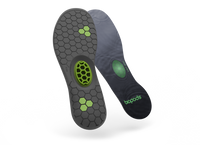
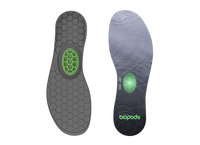
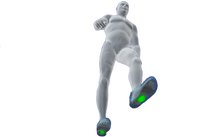
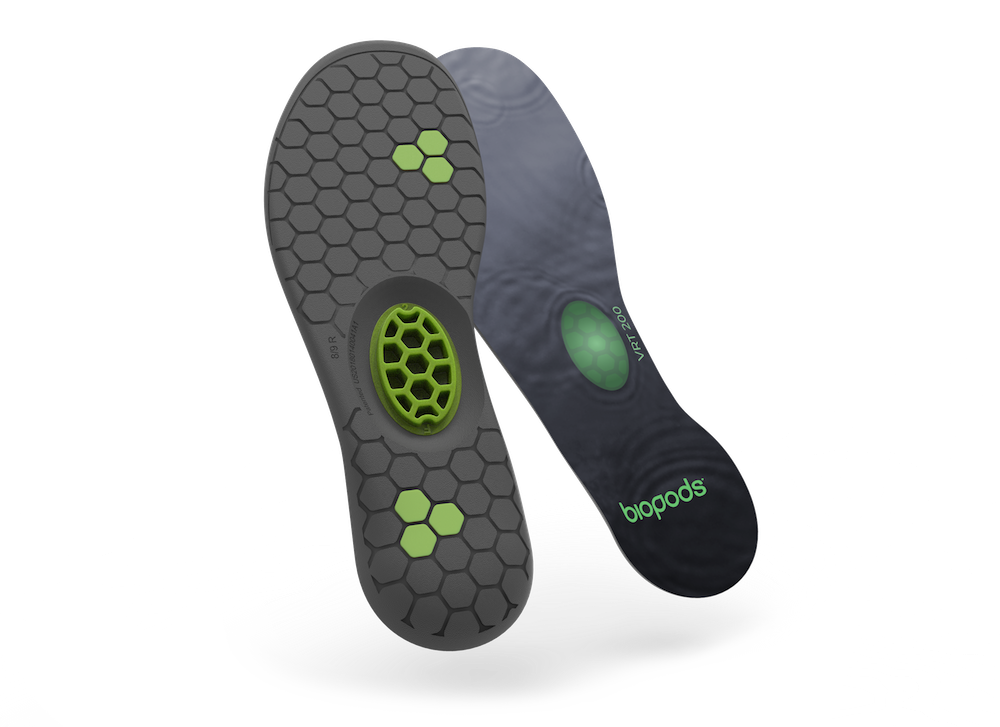
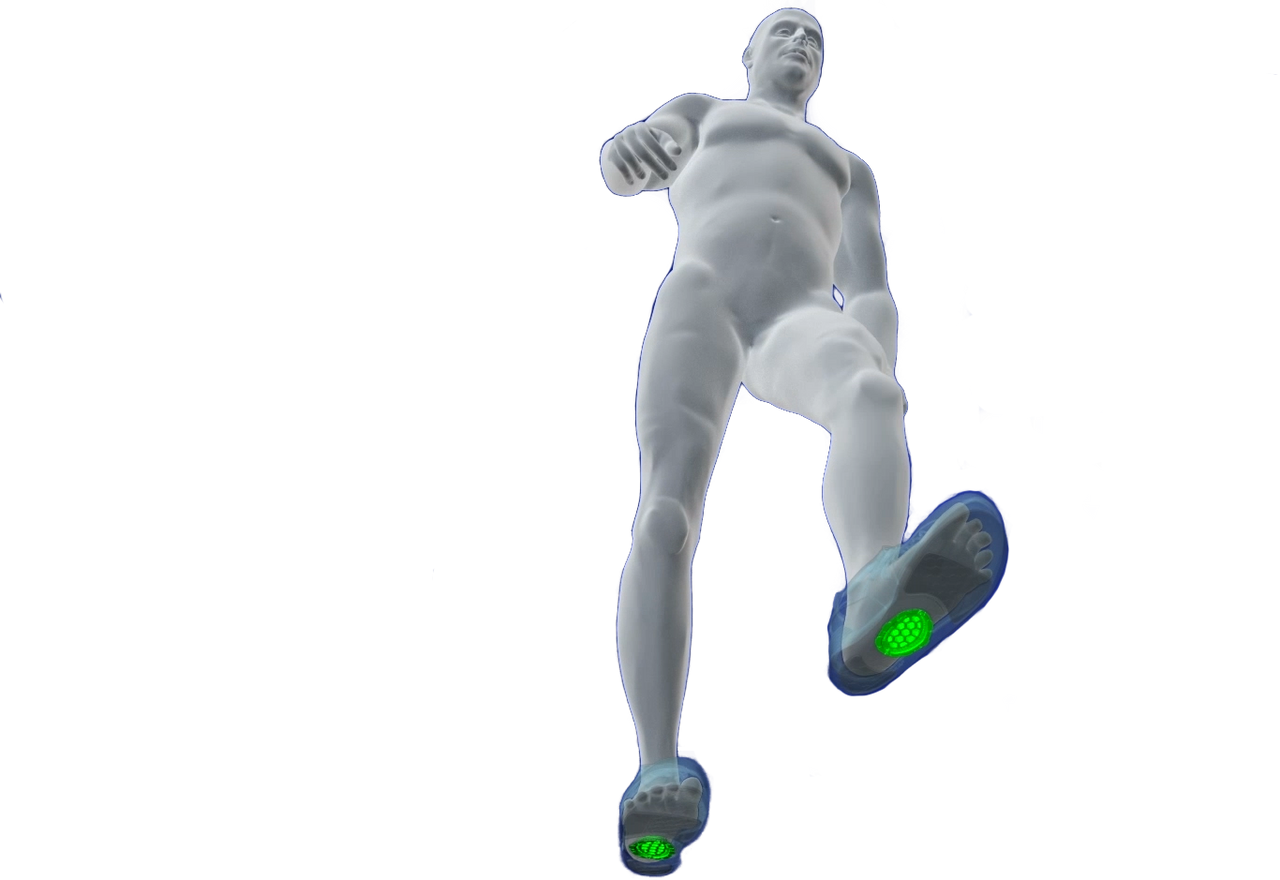
Transforms your shoes into a therapeutic exercise program for your feet.
Use only with shoes that HAVE removable insoles.
 For all activities: walking, running, and standing.
Comfortable, safe, and easy to use.
Improves foot, leg, hip, and back problems.
Clinically tested and doctor-recommended. Unconditionally guaranteed.
Biopods Next Generationl Insoles incorporate Stimsoles® technologies.
10+ times more effective than conventional insole products that support or cushion the feet.
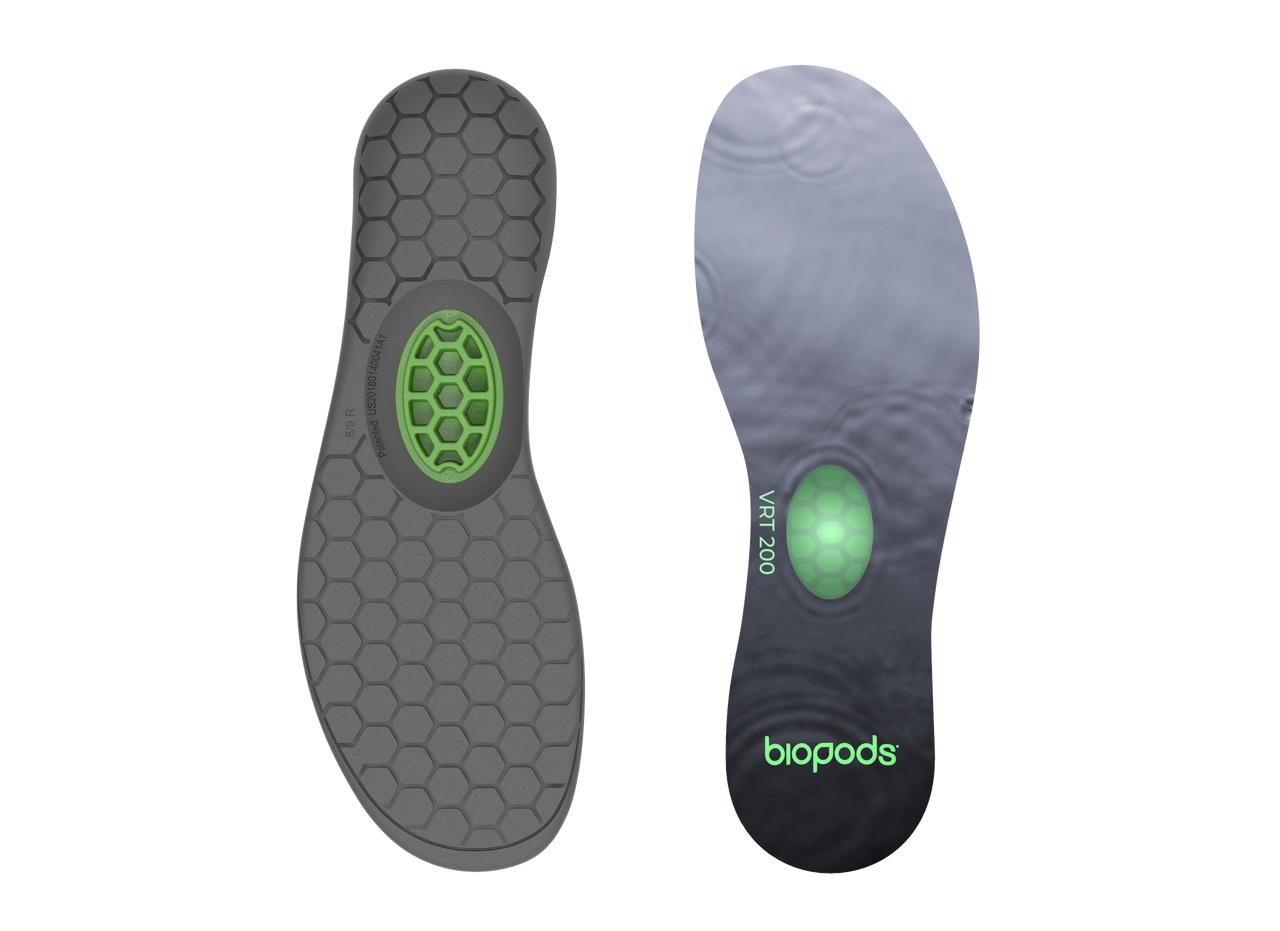
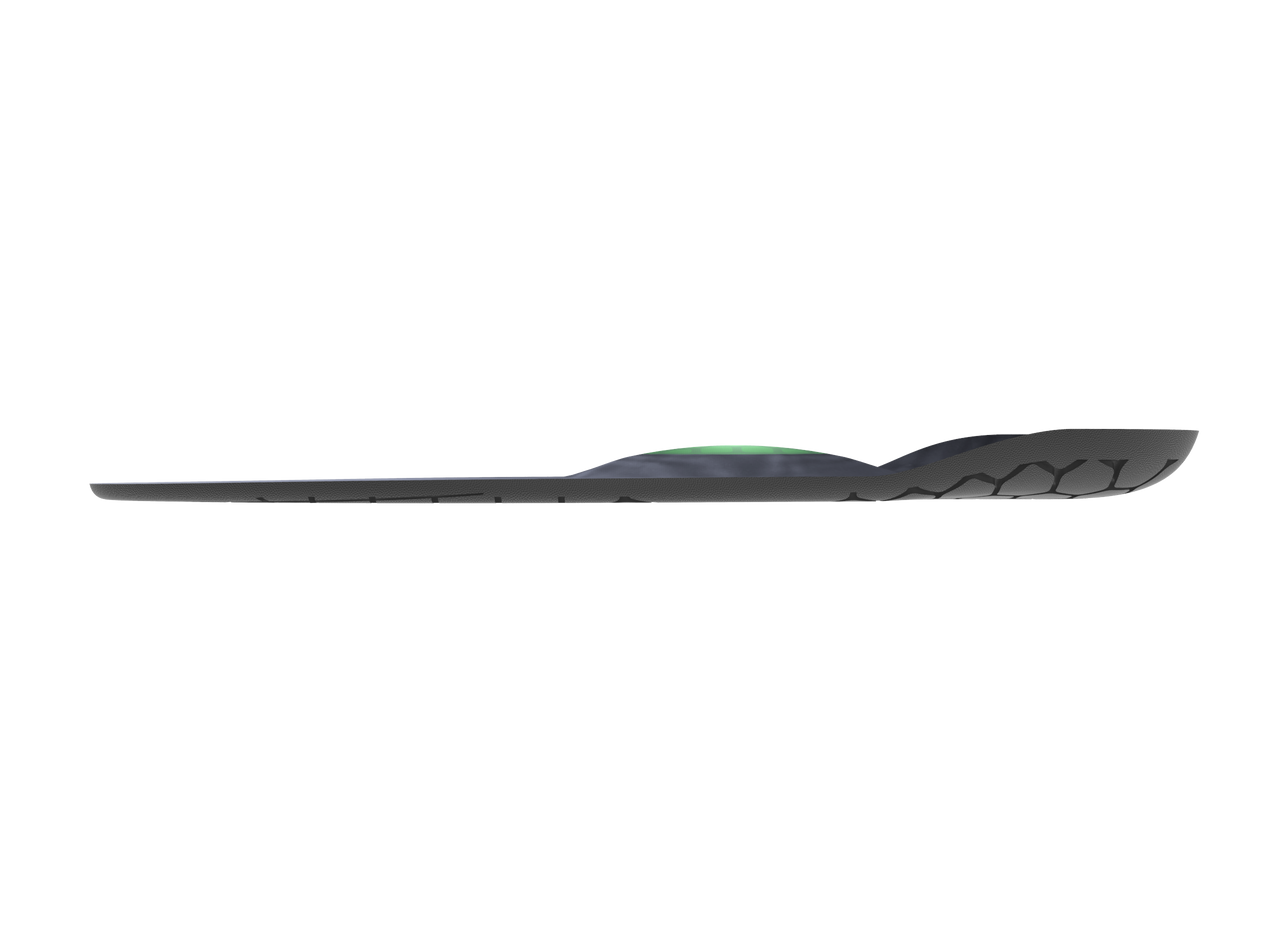
The Insole bodies are made from extremely durable Polyurethane foam, which has anti-fungal and anti-bacterial properties.
Top sheet textile is made from recycled polyester yarns that have been treated to provide anti-fungal and anti-bacterial properties.
The Insoles' Pods are made from extremely resilient TPE (Thermoplastic Elastomer).
- Contact info@biopods.com for a Return Authorization Number.
- Returns must be received within the Guarantee Period for refund eligibility.
- See our Return Policies for details.
To clean, simply wipe with a cloth and warm soapy water. Rinse with warm water.
DO NOT Machine wash.
AIR DRY ONLY: Do not put in dryer or dry over a heat source.
Check out our other insoles offerings


Recommended for you